
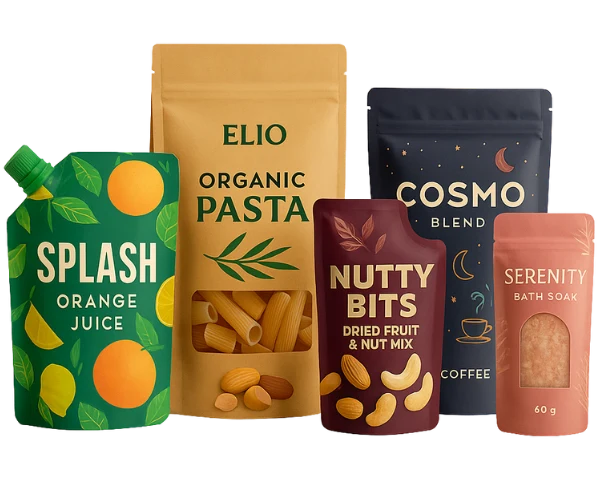
Understanding the primary purpose of packaging helps businesses choose the right materials and structural designs for their products.
- Product Protection: The foundational role of packaging is to safeguard goods from physical damage, moisture, temperature fluctuations, and contamination during transit and storage.
- Convenience & Utility: Packaging provides ease of handling, transportation, stacking, pouring, and reclosing across the entire supply chain and for the end consumer.
- Marketing & Brand Communication: Known as the “silent salesperson,” effective packaging captures attention on retail shelves, communicates vital product information, and drives purchasing decisions.
Key Levels of Packaging
| Packaging Level | Definition & Common Forms | Primary Application |
| Primary Packaging | The layer directly in contact with the product (e.g., glass bottles, aluminum cans, cosmetic jars). | Preserves product integrity and delivers the direct user experience. |
| Secondary Packaging | The exterior box holding one or multiple primary packages (e.g., folding cartons, display boxes). | Used for retail grouping, shelf display, and brand messaging. |
| Tertiary Packaging | Bulk shipping packaging (e.g., corrugated shipping boxes, wooden pallets, stretch wrap). | Facilitates handling, warehouse storage, and heavy-duty logistics protection. |
Common Packaging Materials
- Paper & Paperboard: Corrugated boxes, Kraft paper bags, and folding cartons. Highly recyclable, cost-effective, and versatile for custom printing.
- Plastics: PET, PE, and PP containers or flexible pouches. Lightweight, durable, and excellent for moisture barriers.
- Metals: Aluminum cans and tinplate containers. Exceptional barrier properties against light and oxygen, with high recycling efficiency.
- Glass: Jars and bottles. Chemically inert and premium in aesthetic appeal, widely used in luxury cosmetics, perfumes, and beverages.
Future Trends in the Packaging Industry
- Sustainable & Eco-Friendly Packaging: Brands are shifting toward biodegradable materials, mono-material designs for easier recycling, and minimalist packaging to reduce carbon footprints.
- Smart & Interactive Packaging: Integration of QR codes, RFID tags, and NFC technology allows consumers to track supply chains, verify authenticity, and engage with interactive digital content.
- Unboxing Experience for E-Commerce: Direct-to-consumer (DTC) brands leverage customized mailing boxes, branded tissue paper, and personalized inserts to increase customer retention and social media engagement.
In summary, packaging is a strategic fusion of material science, structural engineering, and brand marketing. It protects physical goods while continuously enhancing consumer trust and brand value.